
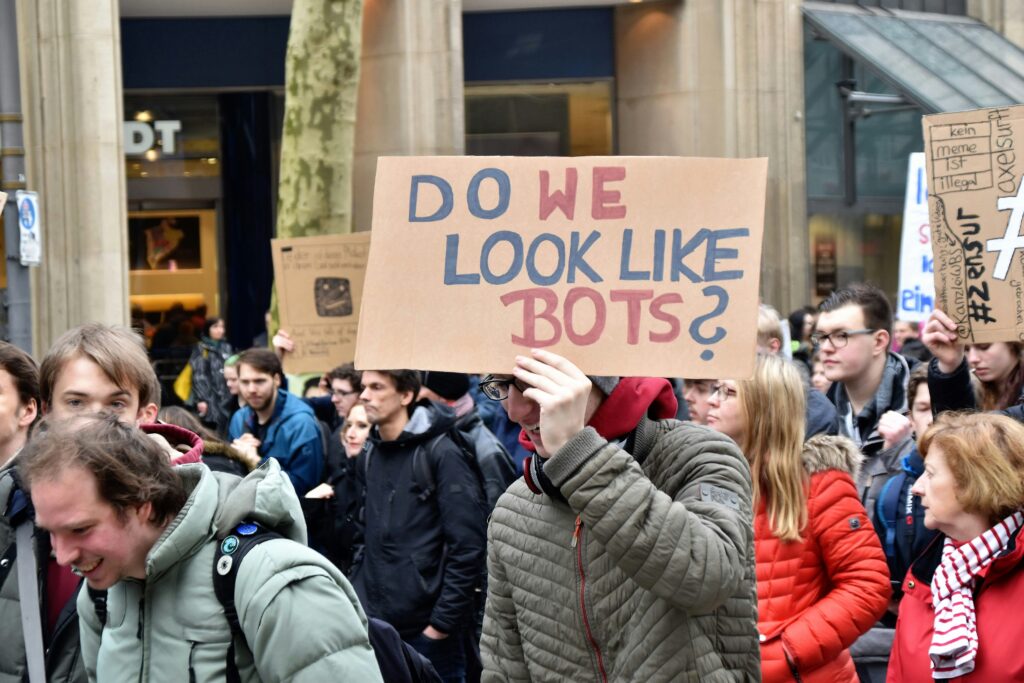
Saving the Internet From AI
AI-generated content is flooding the internet — from fake videos to bogus research. Creators and researchers are pushing back, fighting to keep online spaces human, trustworthy, and real.
AI-generated content is flooding the internet — from fake videos to bogus research. Creators and researchers are pushing back, fighting to keep online spaces human, trustworthy, and real.

In the battle against misinformation, understanding social media’s role is crucial. Ignoring its impact is like denying the existence of germs in health.

A large review finds that frequent use of short-form video platforms like TikTok and Instagram Reels is linked to lower attention and higher stress, raising questions about how endless scrolling affects mental focus and well-being.
Social media often misrepresents medical facts, promoting wellness influencers over genuine experts. The cholesterol debate highlights how misinformation can affect health choices.

The rise of conspiracy theories in science reflects a growing distrust of experts, fueled by social media. This trend complicates public understanding and undermines legitimate scientific discourse.

Understanding health discussions on social media is crucial as we face a fragmented reality. Engaging thoughtfully can help bridge the gaps in our shared understanding.
Are you aware of the sneaky tactics influencers use to promote products? Discover how social media marketers are concealing ads in plain sight and what it means for you.

Social media has transformed how we consume information, but it comes with serious risks. A recent BBC investigation revealed that many health claims made on a popular podcast contradict established scientific evidence.

The landscape of science communication has shifted significantly in the last two decades, largely due to social media. The democratization of information has led to a wealth of content; however, it also raises challenges.