

Don’t Let AI Do All the Thinking
New research suggests heavy AI use may weaken critical thinking and engagement. This article explores why thinking for yourself still matters — and how to keep your mind active in the AI era. #Wellness
New research suggests heavy AI use may weaken critical thinking and engagement. This article explores why thinking for yourself still matters — and how to keep your mind active in the AI era. #Wellness

A large review finds that frequent use of short-form video platforms like TikTok and Instagram Reels is linked to lower attention and higher stress, raising questions about how endless scrolling affects mental focus and well-being.

When Etienne Brisson, a Quebecois business coach, learned from a family member that he had created the world’s first sentient AI, he was intrigued. However, his fascination quickly spiraled into a nightmare.

Are fitness trackers helping or hurting your health? Discover how self-tracking can lead to stress and anxiety, and learn to find a balanced approach to well-being.
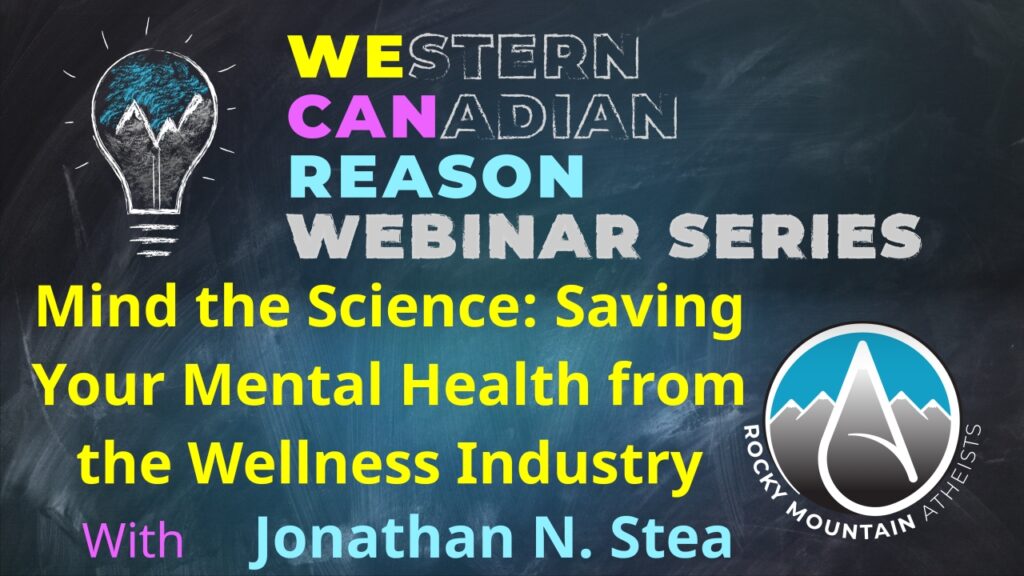
This presentation, based on the book MIND THE SCIENCE: SAVING YOUR MENTAL HEALTH FROM THE WELLNESS INDUSTRY, aims to educate and embolden those who wish to make informed decisions about their mental health, to improve science and mental health literacy, and to pull back the curtain on the devastating consequences of allowing pseudoscience promoters to target the vulnerable within our society.

Explore the evolving role of AI in therapy and the challenges it poses for mental health care. Discover the balance between innovation and caution in using AI companions.
This presentation, based on the book MIND THE SCIENCE: SAVING YOUR MENTAL HEALTH FROM THE WELLNESS INDUSTRY, aims to educate and embolden those who wish to make informed decisions about their mental health, to improve science and mental health literacy, and to pull back the curtain on the devastating consequences of allowing pseudoscience promoters to target the vulnerable within our society.
Self-diagnosis in autism raises concerns about accuracy and potential harm. Understanding the complexities of professional diagnoses is essential for proper support.
A new study reveals that happiness doesn’t follow a U-shaped curve for everyone, especially in low-income communities.