
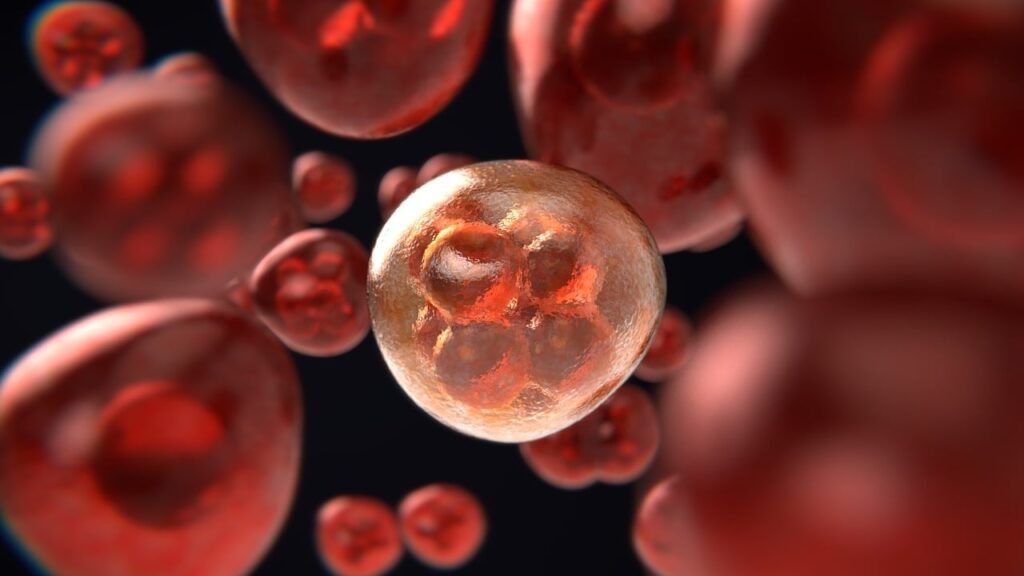
Why Metastasis Isn’t A Hoax
An anonymous blogger argues metastasis is a hoax. This article explains the real mechanics and why science matters.
An anonymous blogger argues metastasis is a hoax. This article explains the real mechanics and why science matters.
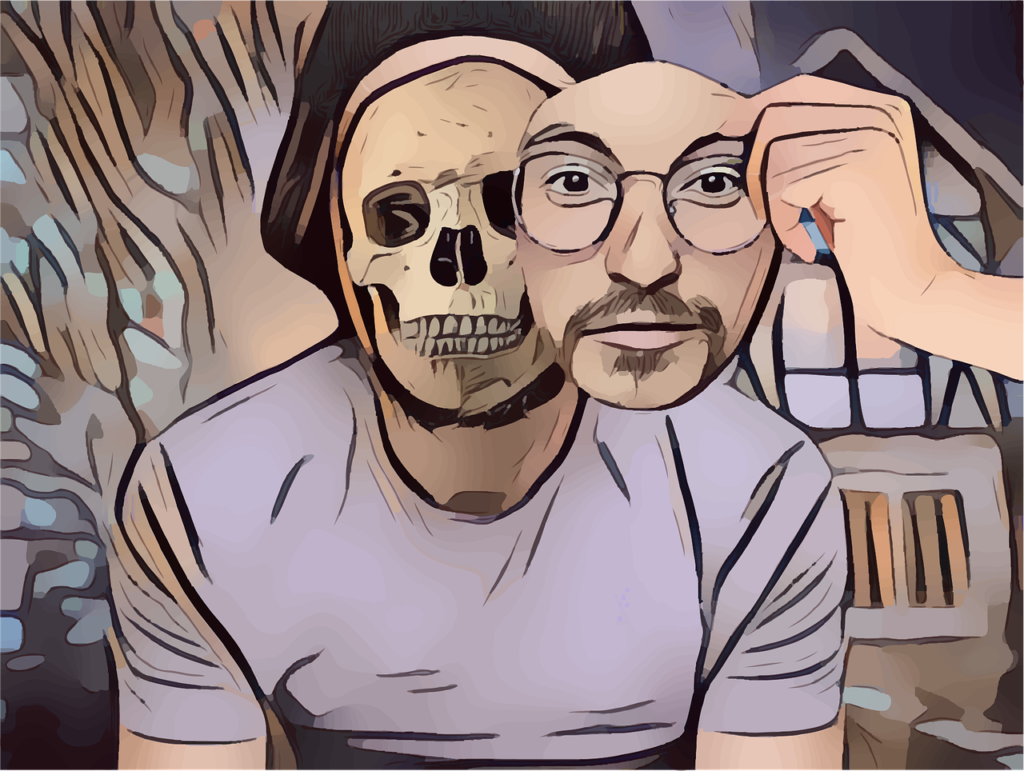
AI-driven deepfakes amplify misinformation and scams; everyday verification and stronger policy action are essential to protect truth.

Science isn’t just about sounding convincing. Learn three simple questions that can help you separate genuine research from pseudoscience in an age of AI and misinformation.
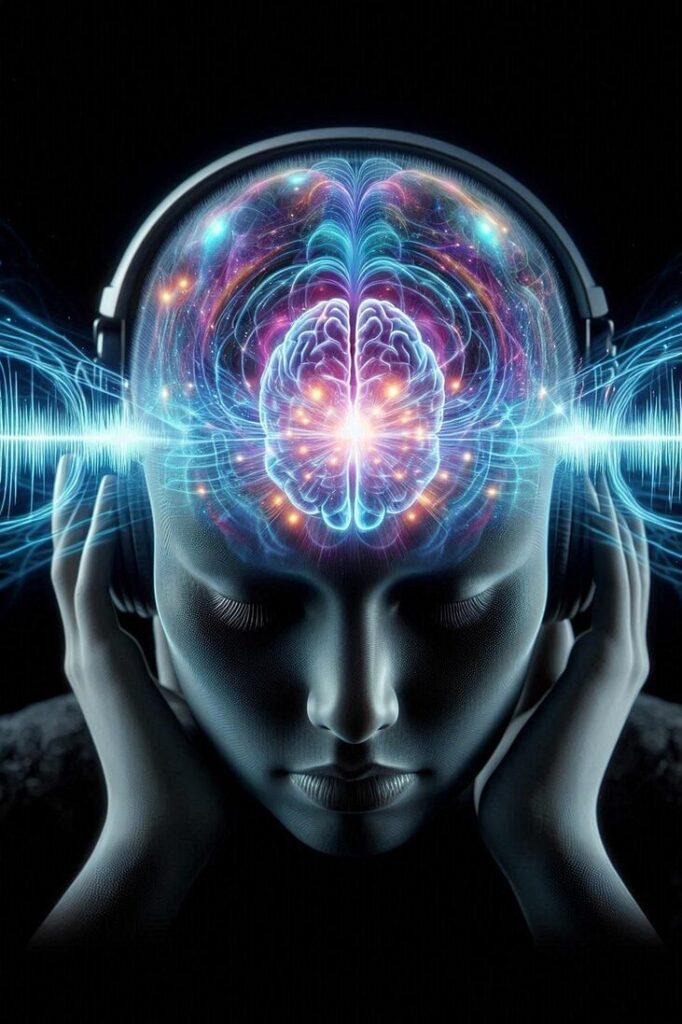
A call to question sensational brain claims on social media and trust neuroscience over airy “brain as receiver” ideas.
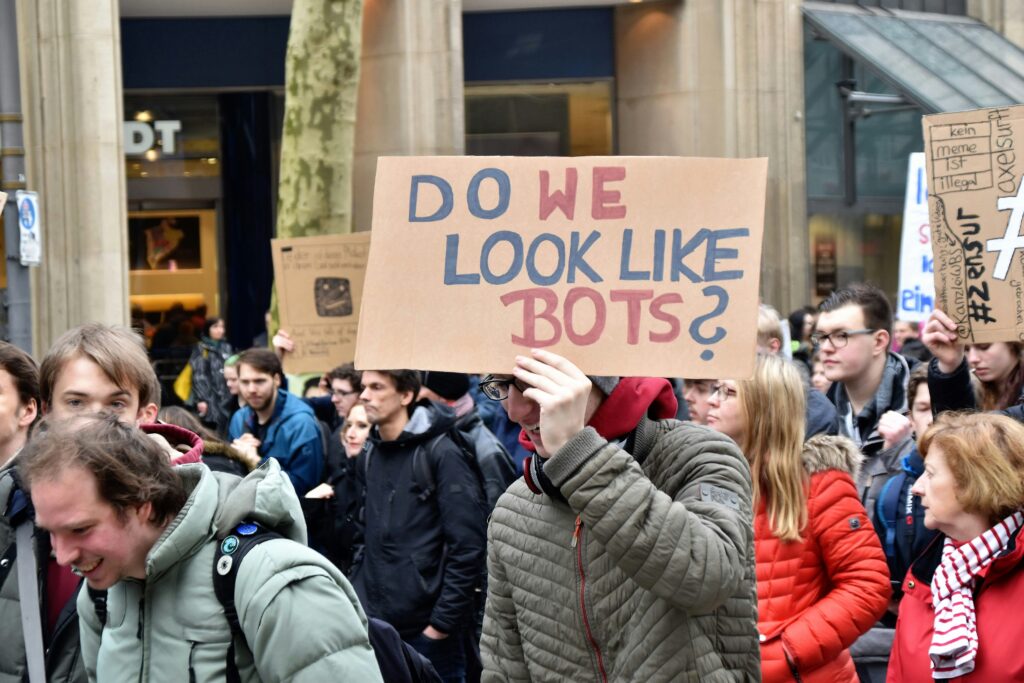
AI-generated content is flooding the internet — from fake videos to bogus research. Creators and researchers are pushing back, fighting to keep online spaces human, trustworthy, and real.

Claims linking COVID vaccines to “turbo cancers” are back. This article explores the facts behind these controversial statements and the implications for public health. #COVID19 #COVID #vaccine

In the battle against misinformation, understanding social media’s role is crucial. Ignoring its impact is like denying the existence of germs in health.

Explore the challenges of AI prioritizing helpfulness over accuracy, especially in medicine. Discover how researchers are addressing these issues and what it means for the future of AI.

The rise of predatory journals threatens the integrity of scientific research. A vetted list of credible journals could help restore trust and ensure reliable evidence for decision-makers.