
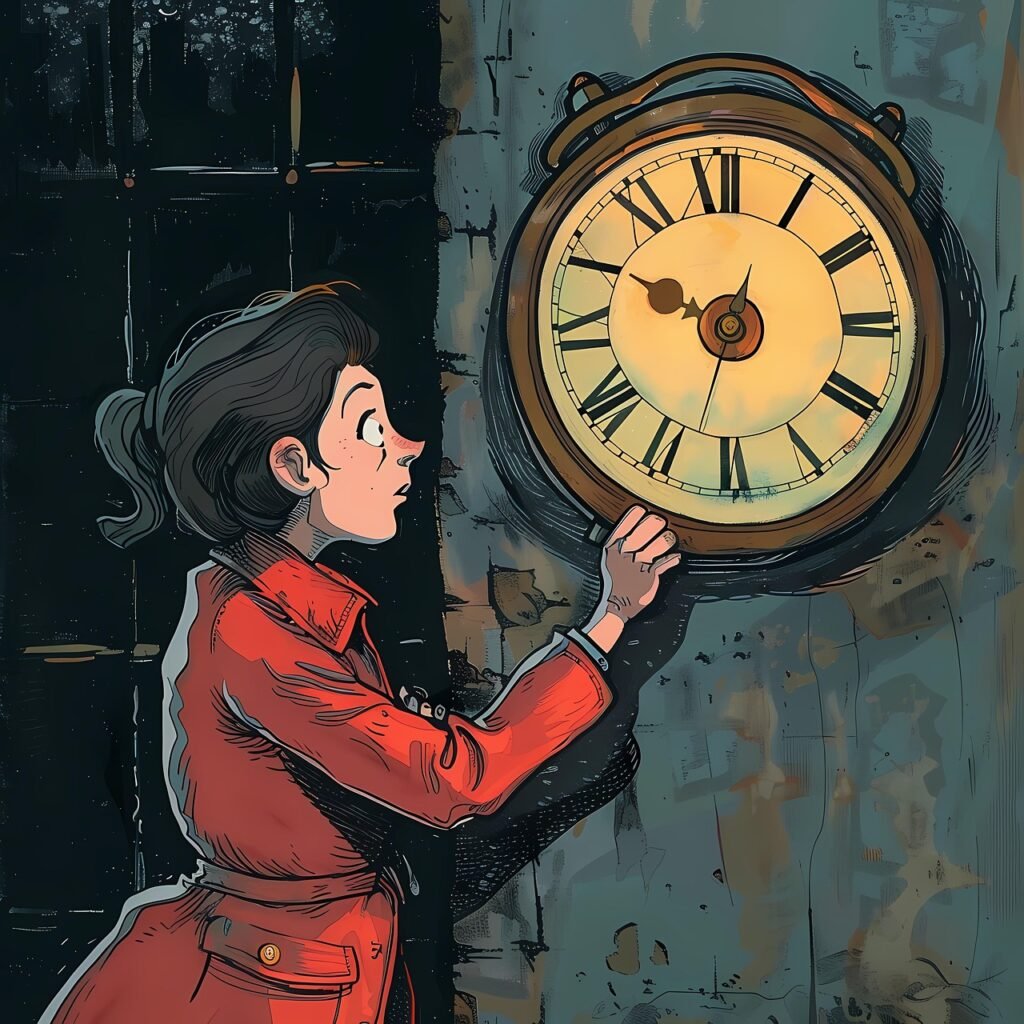
Clock Changes and Health: The Safer Path
Canadian researchers argue permanent standard time better protects health than permanent daylight saving, citing circadian disruption and mixed effects on sleep and learning.
News
Canadian researchers argue permanent standard time better protects health than permanent daylight saving, citing circadian disruption and mixed effects on sleep and learning.

HS 0209+0832 may host a second-generation Jupiter-sized planet formed from dying-star material, with niobium signalling a new kind of planetary chemistry around white dwarfs.

Butterflies use colour and motion to create visual tricks that confuse predators, adding illusion to the list of survival strategies beyond camouflage and mating signals.
A year-long initiative shows how clear storytelling helps scientists connect with the public and boost understanding of complex research.
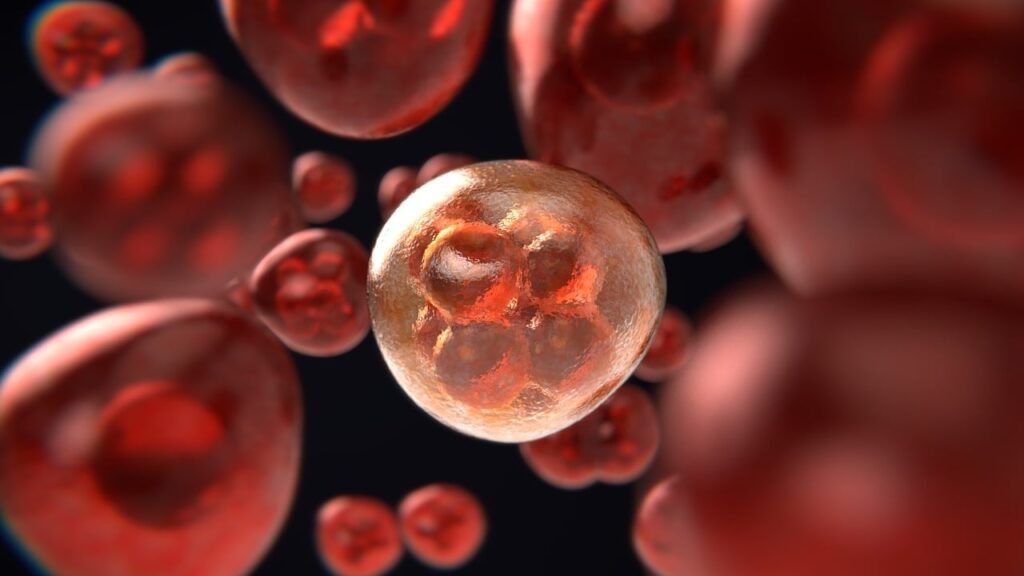
An anonymous blogger argues metastasis is a hoax. This article explains the real mechanics and why science matters.

AI-powered glasses and wearable devices promise a more natural way to interact with technology, but they also raise difficult questions about privacy and consent. As companies push toward an always-on future, will people trust devices that can see and hear the world around them?
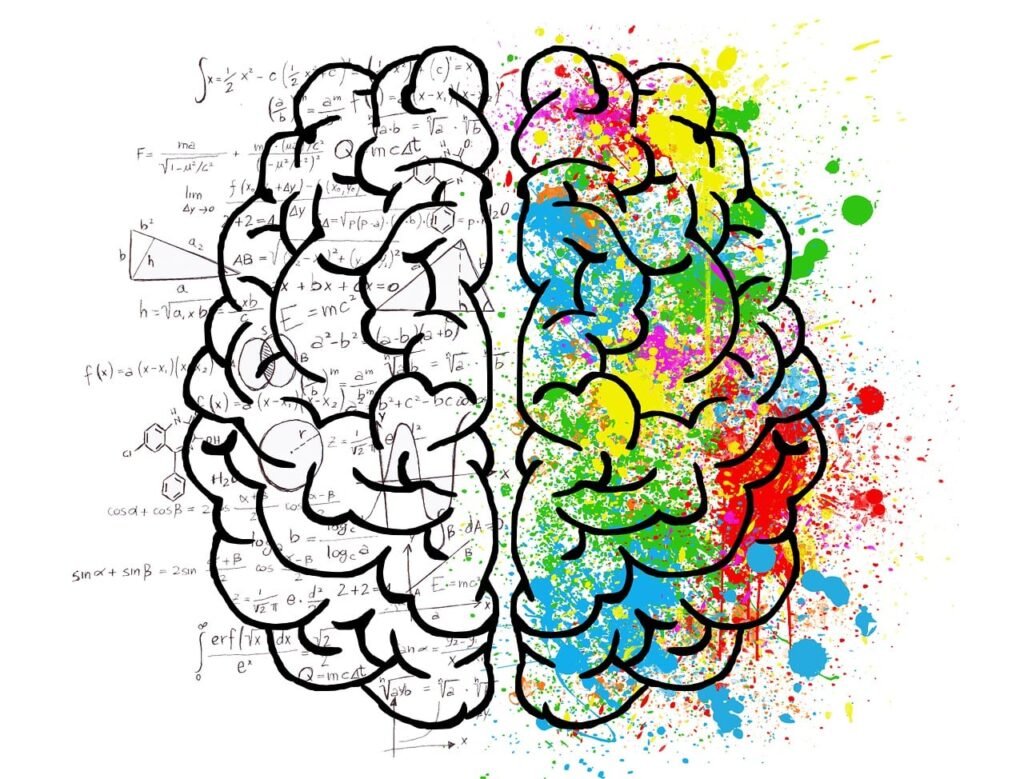
A Nature Neuroscience study reframes the brain as a single, integrated organ, not two independent hemispheres.

A NYT piece mirrors belief over evidence, promoting an industry built on deception while sidelining real, secular support for the bereaved.

Survivor immunity reframes how we think about immune protection, moving away from “natural” to experience-based understanding.