

Voyager 1’s Milestone Comes with a Mystery
Voyager 1 has reached one light-day from Earth, but the distant spacecraft has stopped sending data. NASA can still detect its signal—and is working to uncover what went wrong.
Voyager 1 is nearing a record-breaking distance from Earth. NASA wants people to mark the moment by flashing “VGR” in Morse code after sunset.

A new modelling method makes asteroid-deflection simulations over 1,600 times faster—and reveals how an asteroid’s shape and orientation could dramatically affect the outcome.
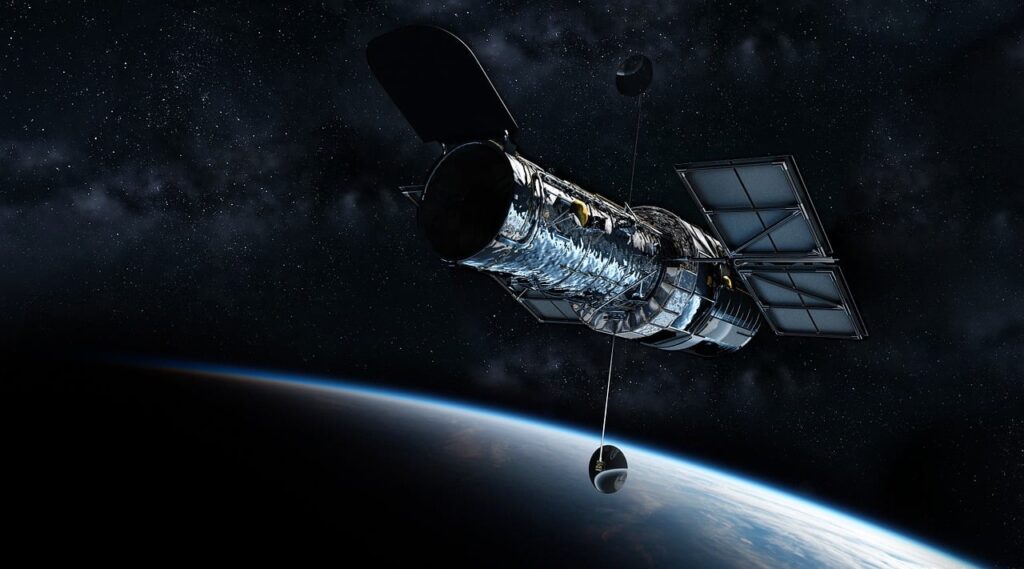
Hubble could re-enter Earth’s atmosphere as early as 2032. NASA is asking commercial space companies to explore ways to extend the telescope’s life—or bring it down
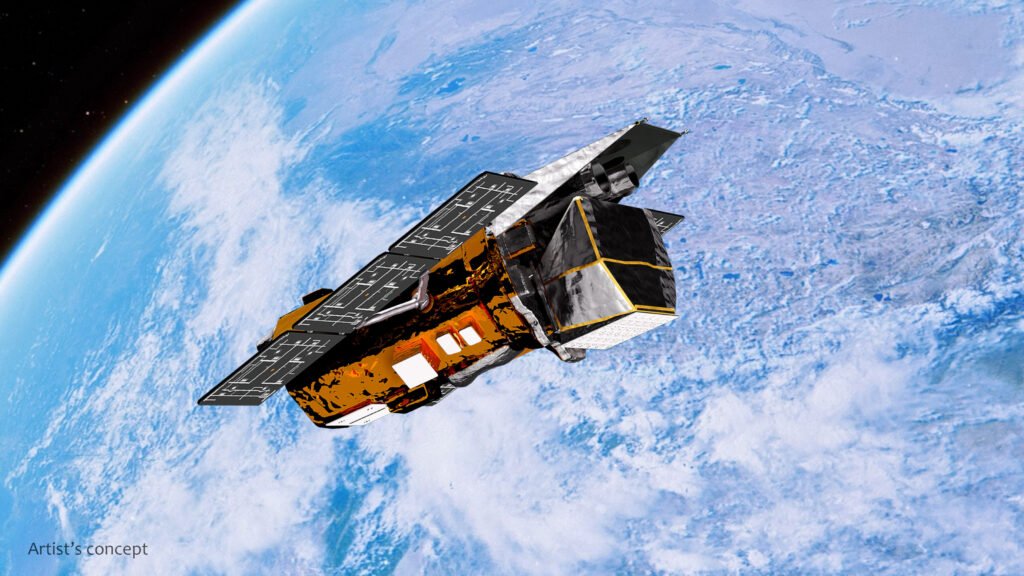
Swift Observatory has ended its science mission after nearly 22 years. Discover why astronomers relied on Swift—and what its final observation marks for space science.
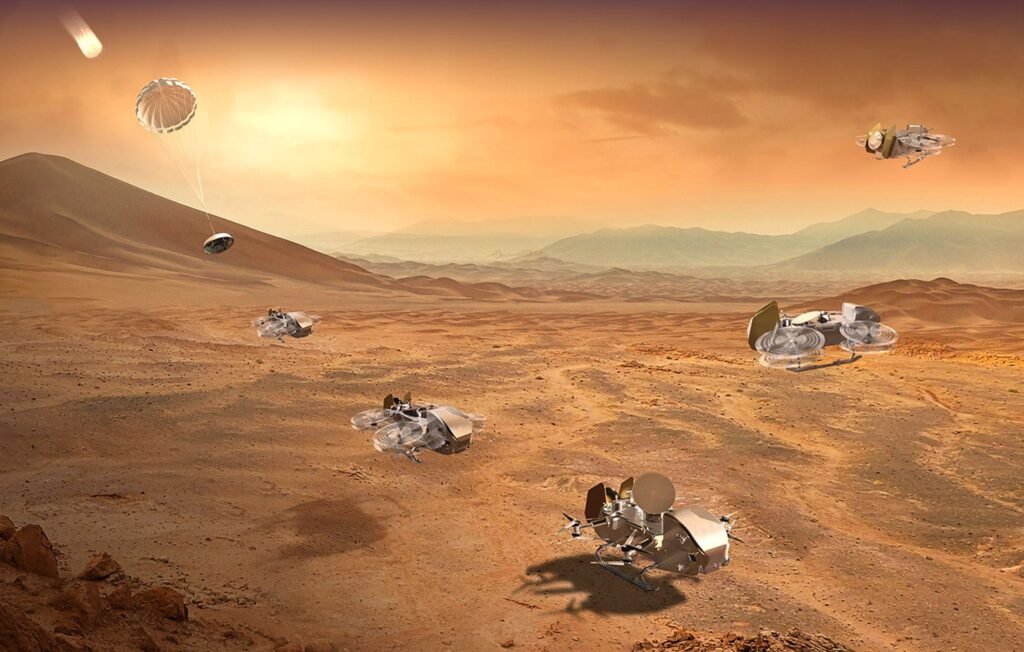
Dragonfly’s mission blends flying lab with Titan exploration, aiming for a 2028 launch and a multi-year surface and atmospheric study.
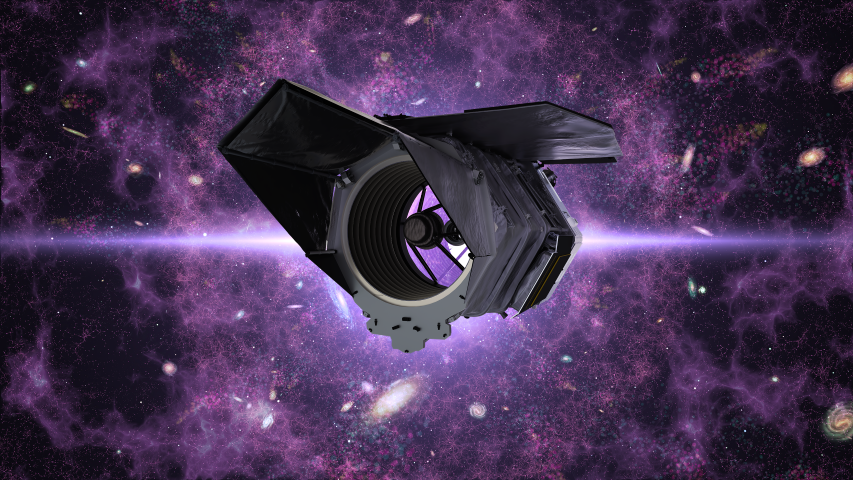
Roman telescope launches, opening new horizons in exoplanet imaging and cosmic mapping, as part of NASA’s open-data, multi-telescope network.
Dragonfly aims to redefine how we study Titan with aerial and ground data in a single mission.
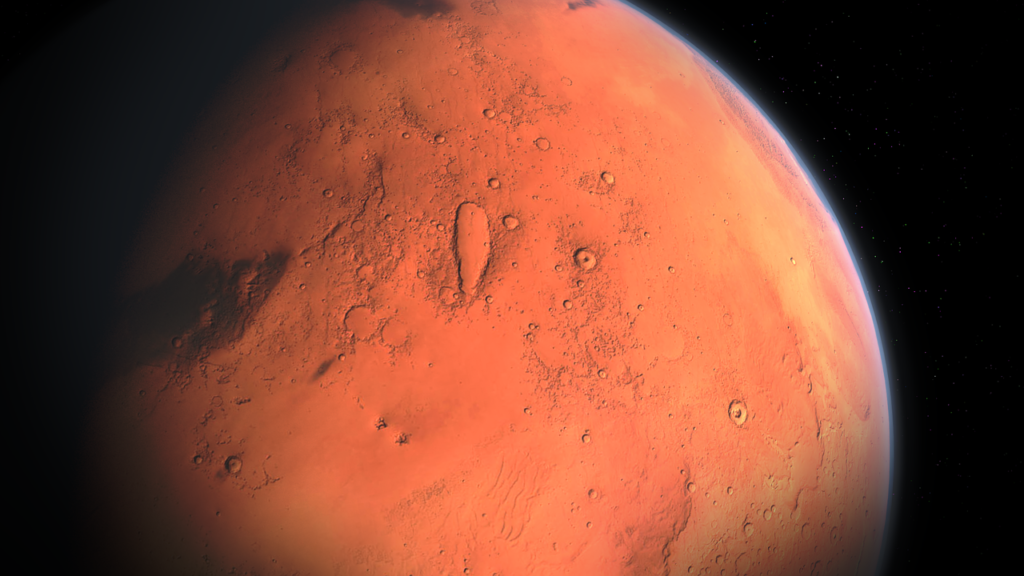
Mars terraforming isn’t the sci‑fi miracle it’s often made out to be.