

What Happens When Kids Just Copy?
Kids may copy what they see without questioning or processing it. This article asks why people overlooked the habit—and hints that its impact may be greater than expected.
Kids may copy what they see without questioning or processing it. This article asks why people overlooked the habit—and hints that its impact may be greater than expected.

Schools are moving beyond banning AI and teaching students how to understand its flaws. From hallucinations and bias to privacy and overreliance, the goal is simple: help students use AI without handing over their ability to think critically.
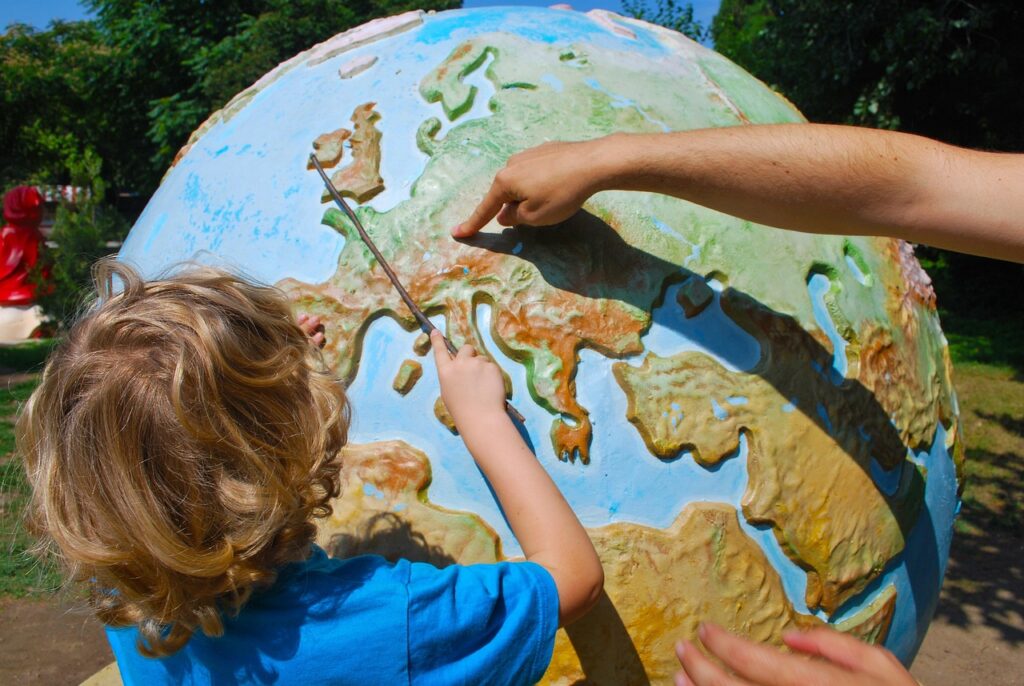
A Lecturer at the University of Newcastle argues that instruction in molecular behaviour determines how future scientists learn to explain, predict, and design in chemistry.
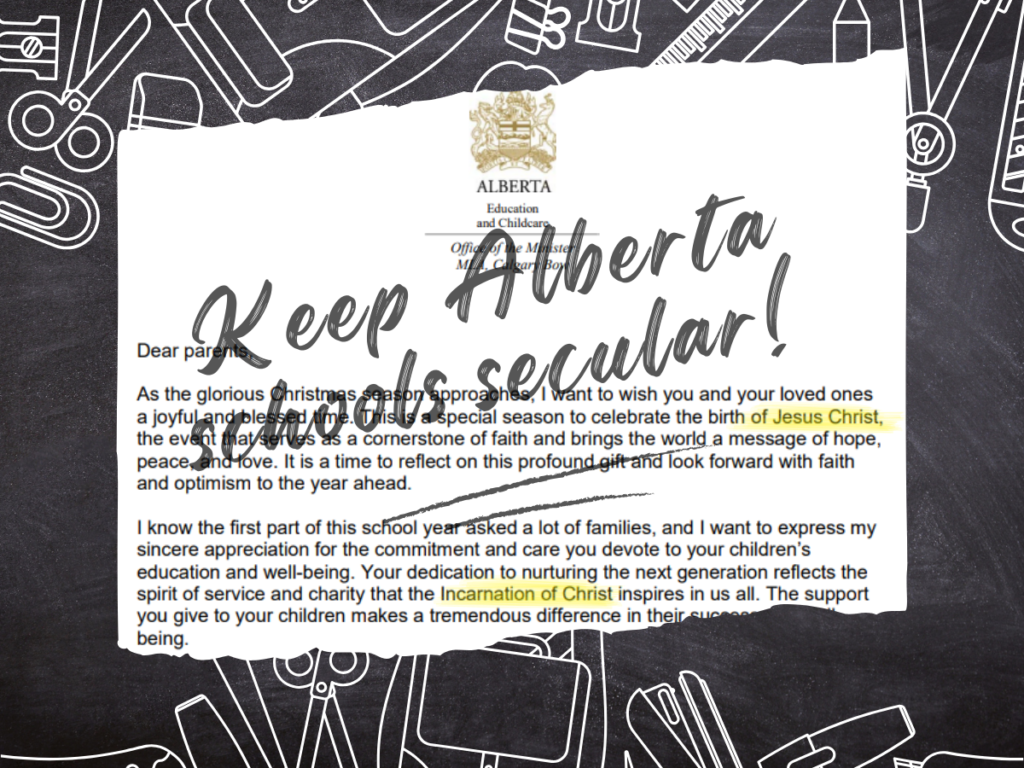
Parents and secular advocates are calling out Alberta’s Education Minister for using a government platform to promote Christian doctrine, urging him to retract and apologise through a province-wide letter-writing campaign led by the BC Humanist Association.
#Secularism #Humanism #Education
Discover how teaching philosophy in prison creates powerful connections and fosters hope, bridging the gap between diverse individuals.
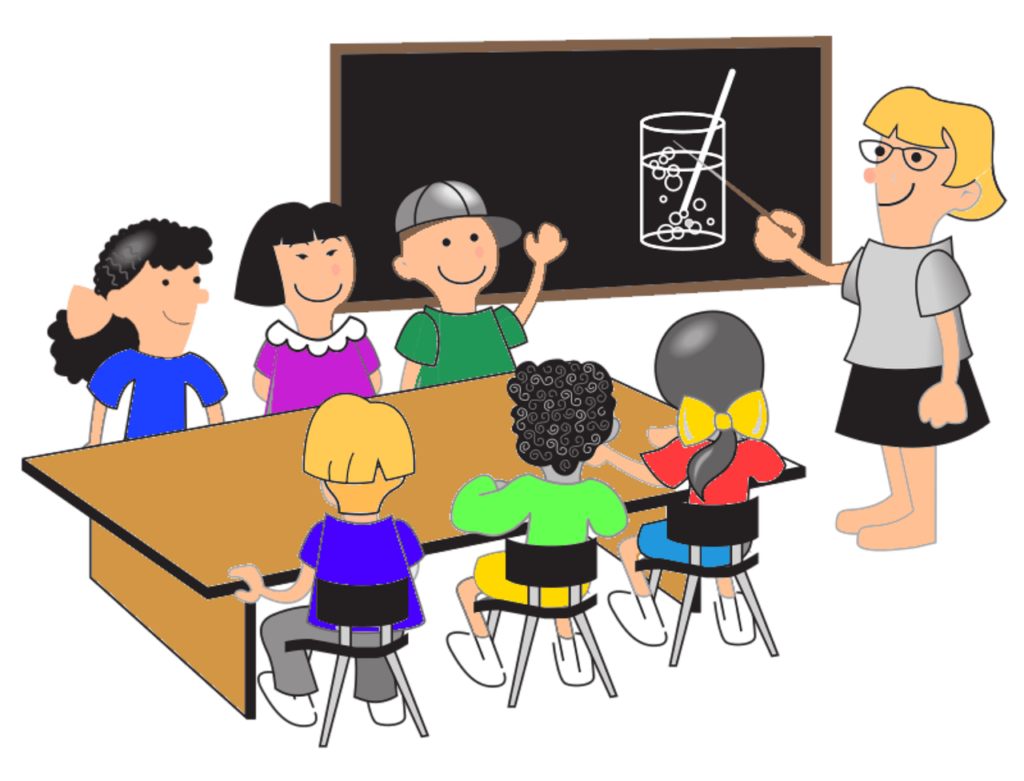
A teacher’s role goes beyond just delivering lessons. They serve as mentors, guiding students to ask questions, think critically, and seek out answers.

The Critical Thinking Across the Curriculum workshop equips teachers to foster critical thinking skills at all grade levels, focusing on addressing online misinformation and hate.
This week, 45,000 students in Ottawa will gain access to AI tools for math and essay writing, while teachers will use AI to tailor lesson plans and offer personalized feedback.

The COVID-19 pandemic has highlighted the critical need for teaching students how to think, not just what to think.