
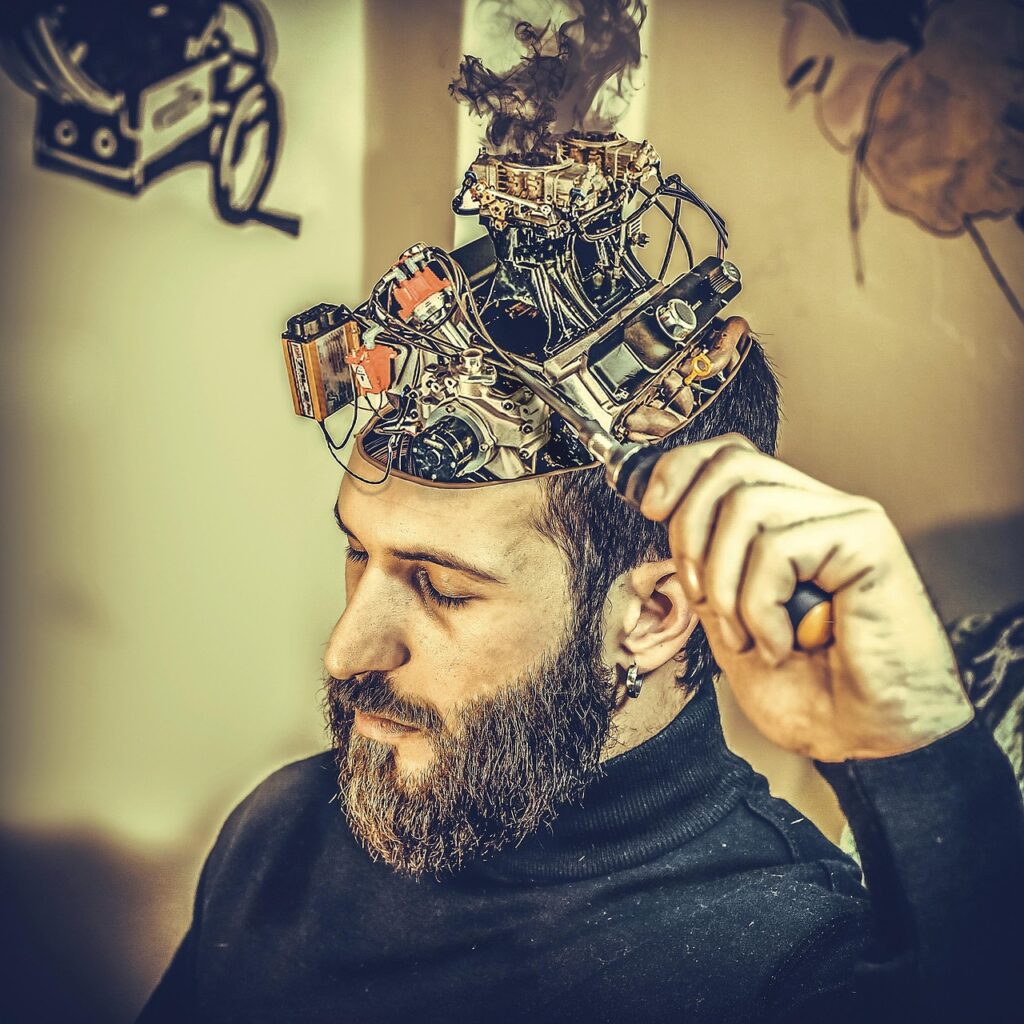
Brains Change, But Not Like Machines
The brain can change, but not the way self-help slogans promise. This article breaks down what neuroplasticity really means — and why “rewiring your brain” is a metaphor that often does more harm than good.
The brain can change, but not the way self-help slogans promise. This article breaks down what neuroplasticity really means — and why “rewiring your brain” is a metaphor that often does more harm than good.
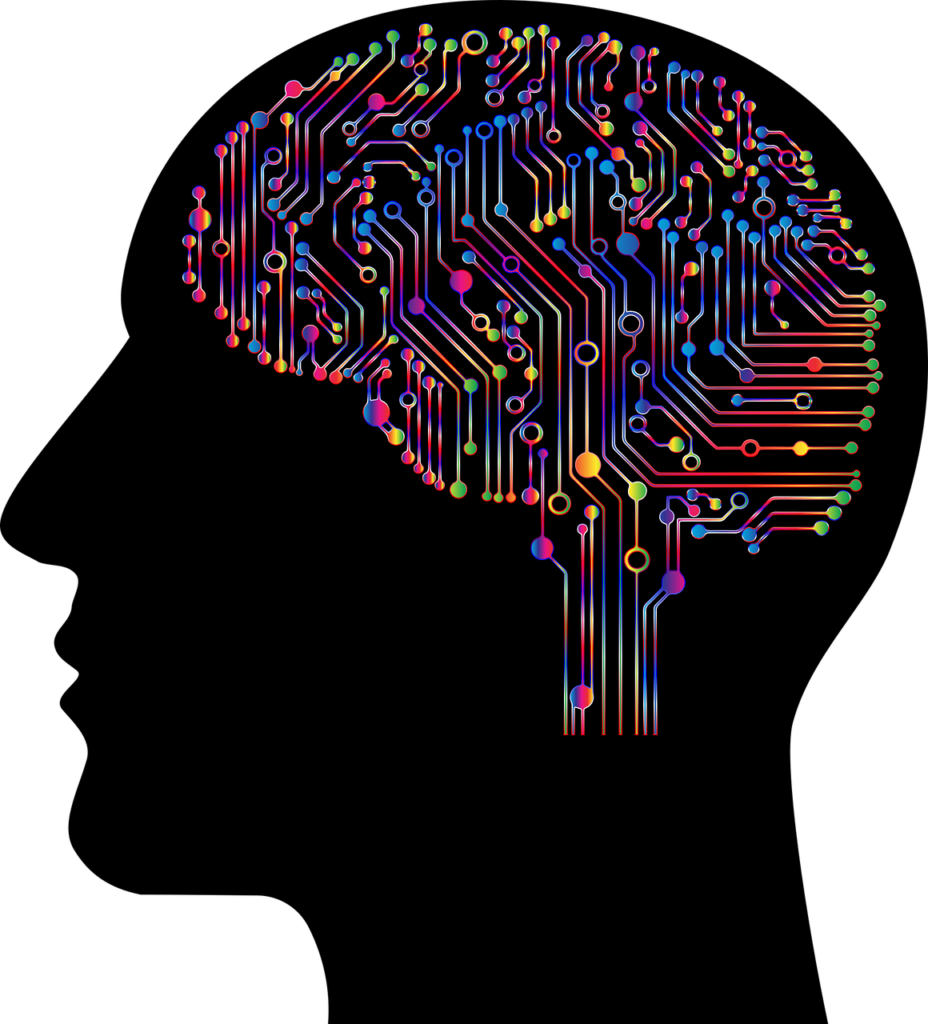
The debate on consciousness is heating up. A recent paper introduces “biological computationalism,” exploring how consciousness might differ between biological and artificial systems. This ongoing discussion is crucial for understanding what it means to be conscious.

Explore the future of the mind as neuroscience and technology converge, paving the way for virtual consciousness and enhanced cognitive abilities.

Discover how mapping mouse brain activity during decision-making reveals the complex networks behind our cognitive processes and their implications for AI development.
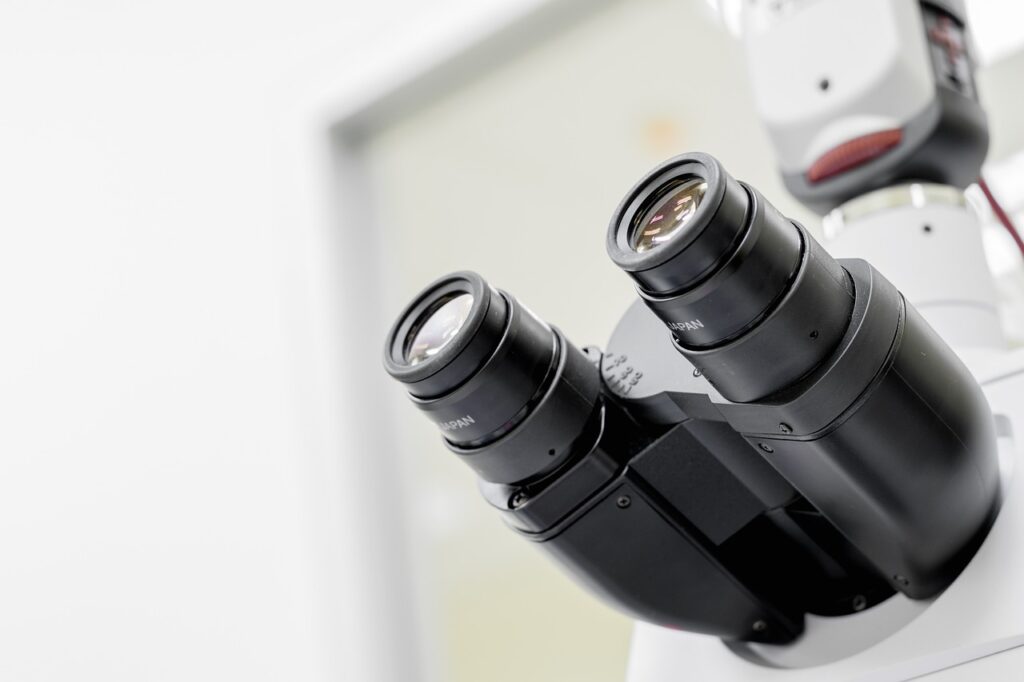
Taiwanese researchers have unveiled a 4D microscope that can observe real-time brain activity, opening doors for neuroscience and AI advancements.

Scientists in the US have developed a way to measure brain activity using innovative printable “e-tattoos”.

A new study challenges the classic picture of neurons, revealing that axons—the nerve fibres that transmit signals—might not be smooth tubes as traditionally depicted.

Scientists trained rats to drive tiny cars and discovered that the rodents enjoy both the journey and the reward, offering valuable insights into brain behaviour.

Humans have a complex sense of self, shaped by brain circuits that process sensory information. This sense isn’t just a given; it can be disrupted, leading to experiences like feeling detached from one’s body.