
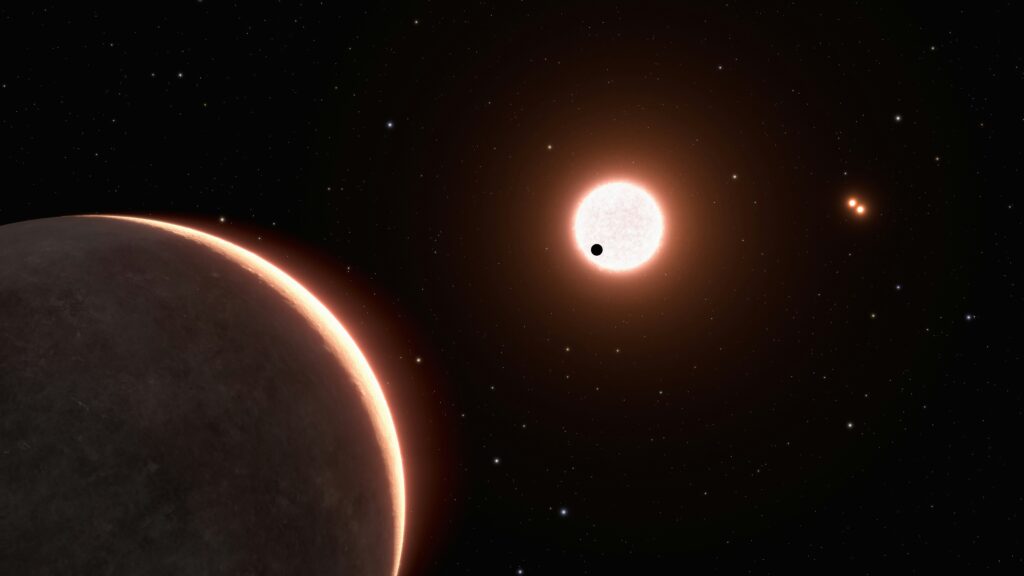
Planet-Hunters Rejoice; Exoplanet Hunt Resumes
After a hiccup, TESS is back on the sky, ready to spot transits and help find new worlds.
News
After a hiccup, TESS is back on the sky, ready to spot transits and help find new worlds.
A Chinese team claims a CO2-and-water method for Li-ion battery recycling. Early-stage and not a market overhaul yet, but it signals a practical path to turning waste into resource.
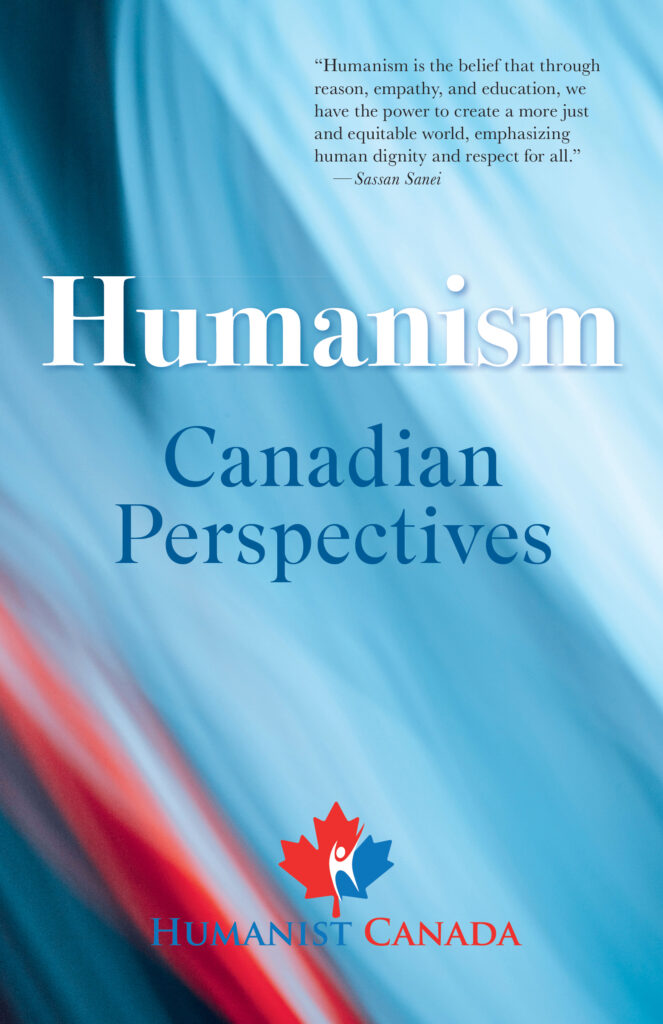
Humanism: Canadian Perspectives brings together voices from across Canada reflecting on reason, compassion, and justice in a diverse society—offering thoughtful, open-ended insights into what it means to live ethically without dogma.
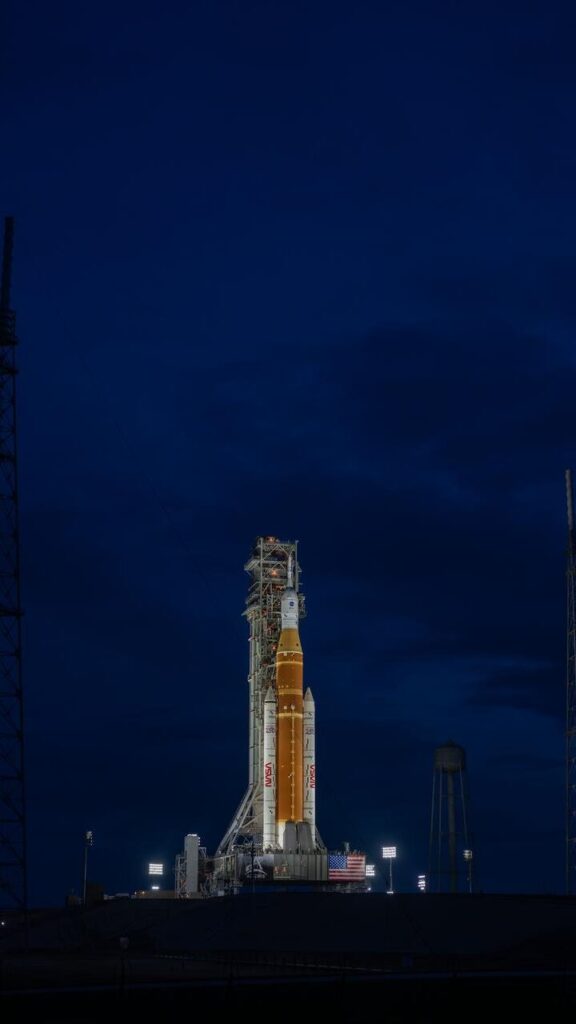
NASA’s Moon mission returns to the fore as the SLS rolls to the pad, a mix of daring science and nostalgic echoes. This piece asks: are we chasing the Moon again, or chasing illusions?

Join WeCanReason 2026 in Calgary for a weekend celebrating science, skepticism, and curiosity with top speakers, engaging discussions, and a welcoming community of critical thinkers.

Humanists International has condemned the USA decision to withdraw from 66 global organizations and treaties, warning it threatens democracy, weakens human rights, and isolates the country from the international community at a time when cooperation is vital. #GlobalCooperation #ClimateAction #HumanRights #UnitedNations #Humanism
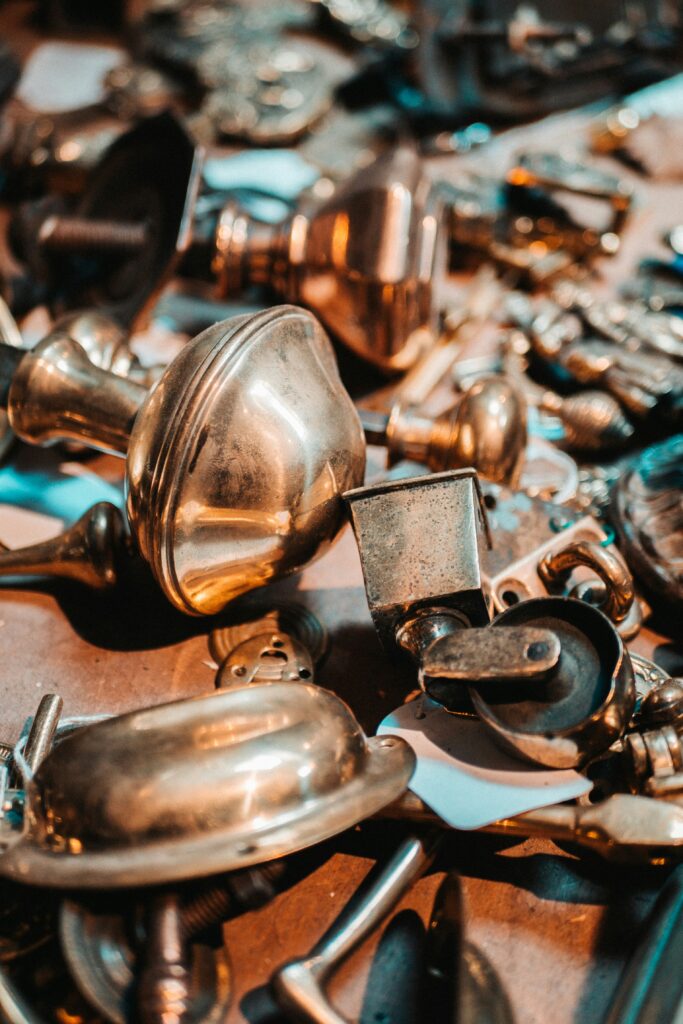
Copper demand is expected to outstrip supply soon, raising concerns about technological advancement. This could impact everything from renewable energy to electronics. Click to learn more about this looming crisis.

Could extremophile bacteria be the answer to building on Mars? A new study suggests these tough microbes could help turn Martian dirt into durable habitats for humans.
Donut Lab claims a breakthrough in battery technology, but skepticism grows as they provide no evidence. Is their solid-state battery the future, or just another empty promise? #electricvehicle