
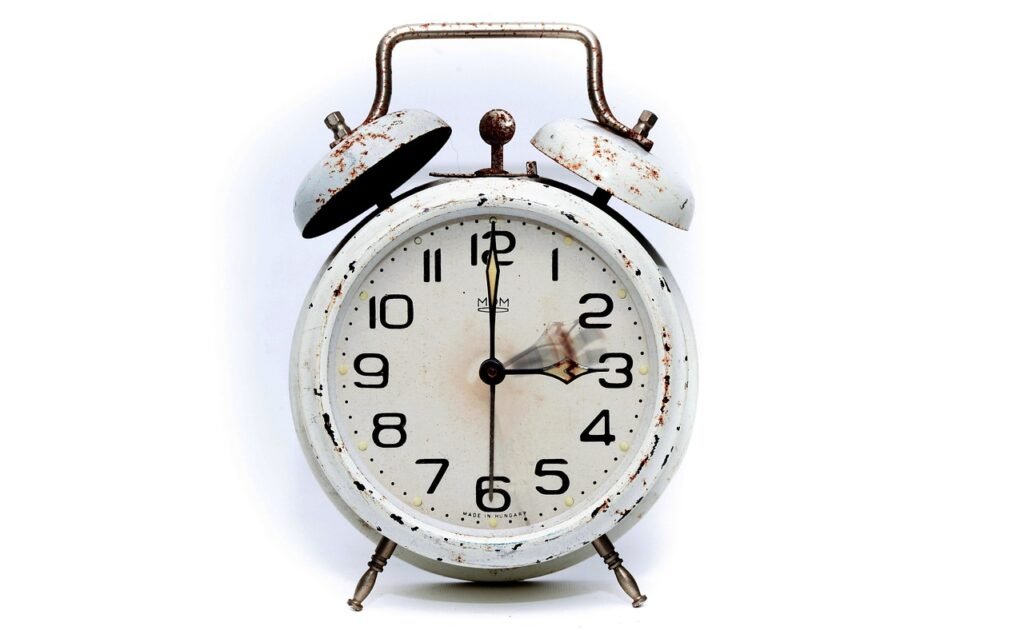
Ending Leap Seconds: Could Time Go Negative?
A bold proposal to end leap seconds could let UTC diverge from Earth’s rotation for hours, reducing long-term risk to infrastructure while introducing new timing challenges.

A bold proposal to end leap seconds could let UTC diverge from Earth’s rotation for hours, reducing long-term risk to infrastructure while introducing new timing challenges.

Catch up with what our speakers did last week
#SethAndrews #psychicsofinstagram #psychics
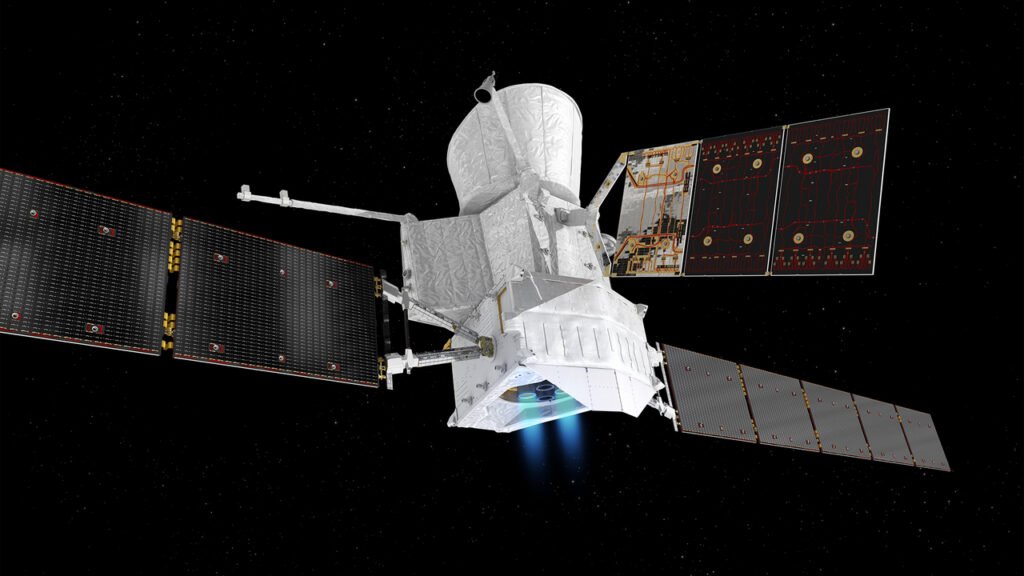
BepiColombo nears Mercury after a decade of journey, with final orbital insertion and science ready to begin.

Here’s a little of what secularists, skeptics, atheists, and scientists did last week
#humanist

A 1,000-year record preserved in Galápagos corals suggests strong El Niño events have become more frequent as the planet has warmed. The findings add to evidence that climate change may be altering one of Earth’s major climate patterns.
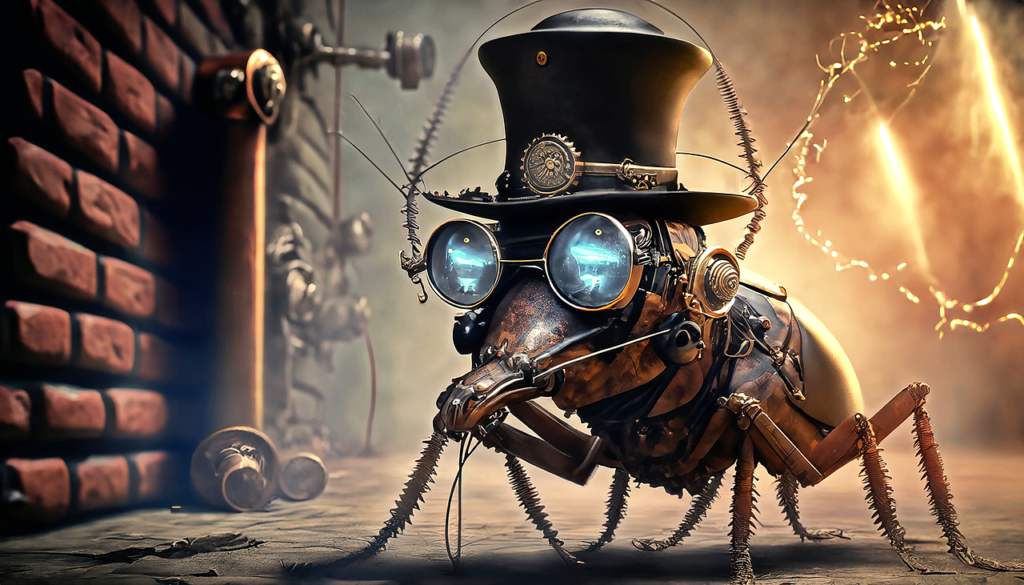
Cyborg cockroaches could steer, immobilize, and deliver life-saving drugs in disaster zones, offering a potential leap in rescue medicine.
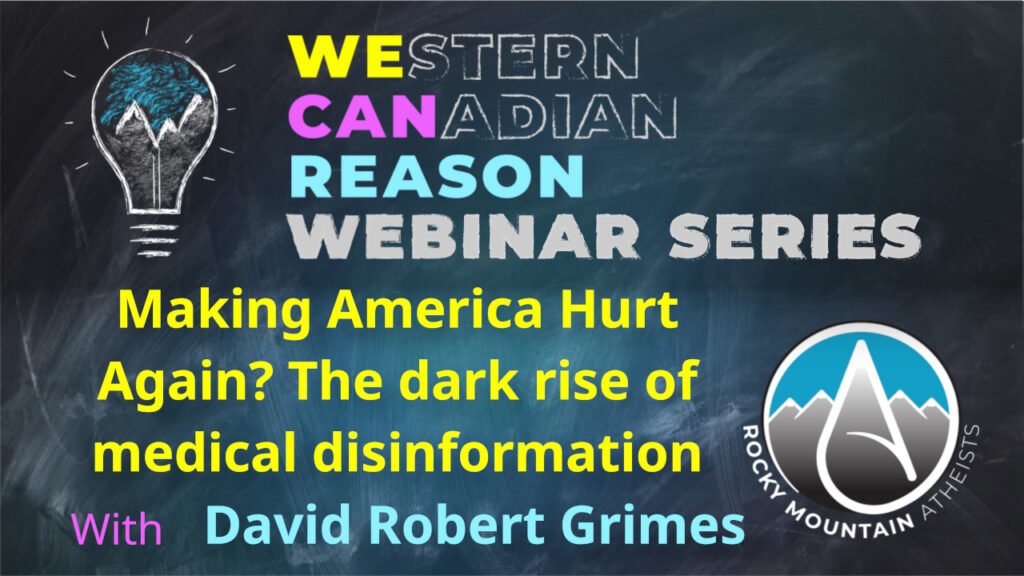
How did medical misinformation go from the margins to the mainstream—and what does it mean for our health?
Join us in the exploration of why we fall for medical myths, how social media fuels misinformation, and how public health reached this troubling point.
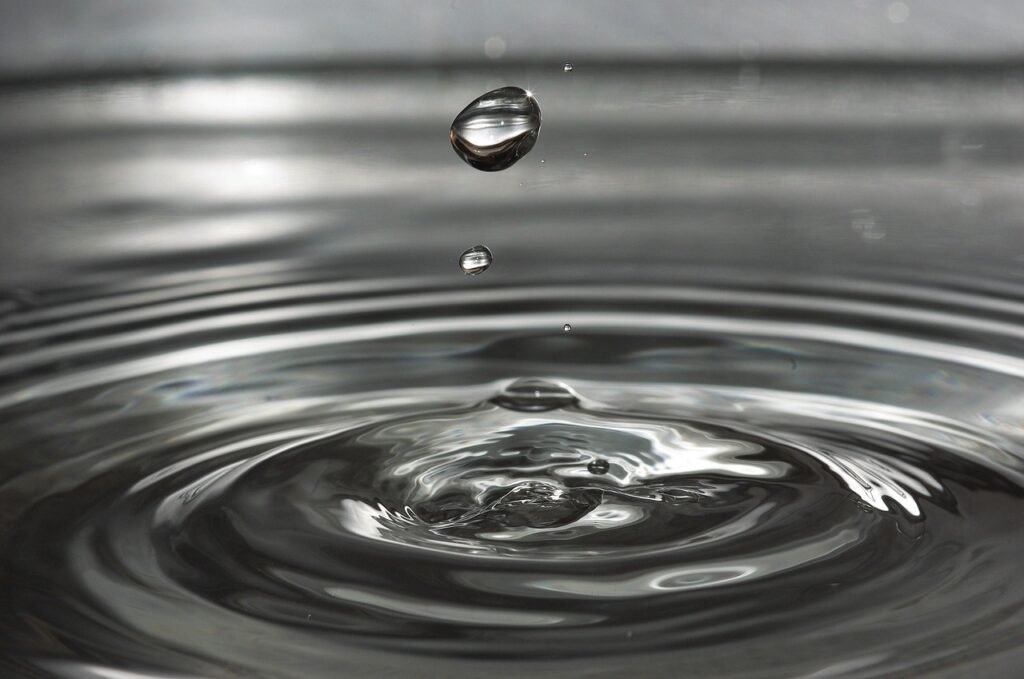
Detecting gravity at the quantum level moves from theory to testable experiments, reshaping our view of spacetime and the universe.
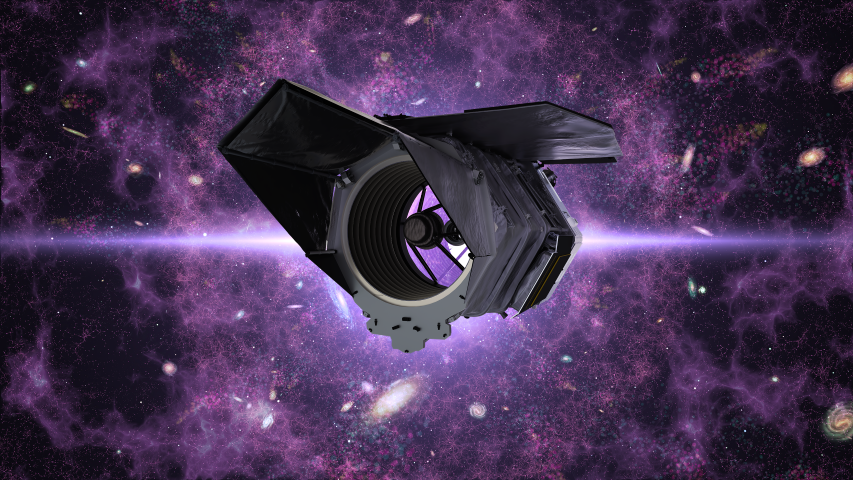
Roman telescope launches, opening new horizons in exoplanet imaging and cosmic mapping, as part of NASA’s open-data, multi-telescope network.