
Dive into Stories with RMA Book Club
☕️✨ Looking for your next great read and some lively conversation? Come join our book club! Whether you’re a casual […]

☕️✨ Looking for your next great read and some lively conversation? Come join our book club! Whether you’re a casual […]
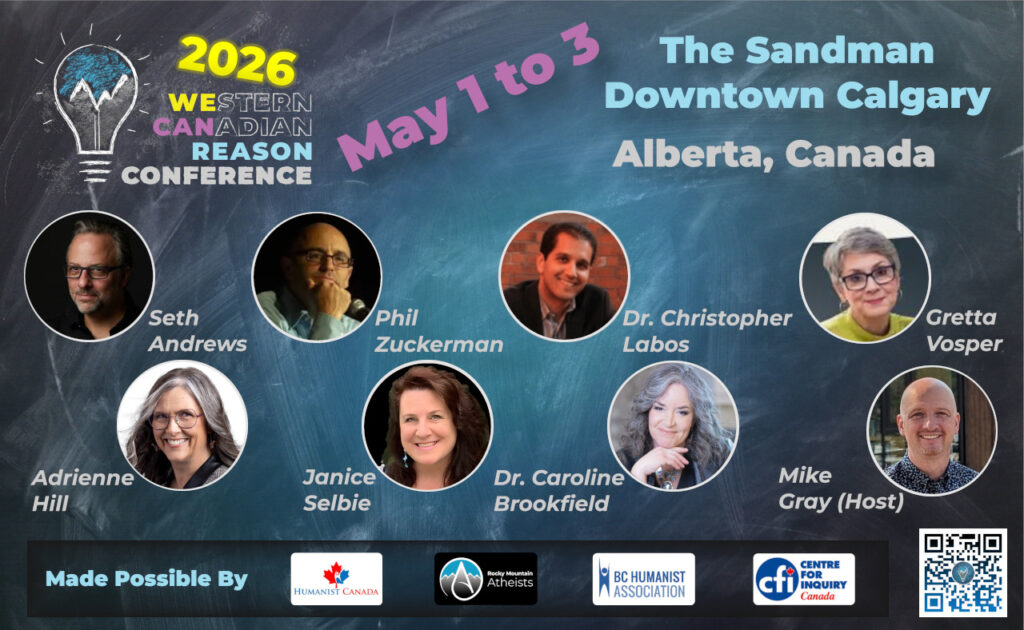
WCR 2026 is getting closer and closer! In this post in our series about the Western Canadian Conference 2026 speakers, we feature Gretta Vosper, Adrienne Hill and Janice Selbie. Go to the post to meet them.
Join us for Thriving Without Religion, an in-person public event about building purpose, ethics, and community in a secular life. Whether you’re questioning faith or already secular, come connect, learn, and celebrate reason and shared humanity. #humanism #religion
Catch up with what our speakers did last week and get ready for WeCanReason 2026 from May 1 to 3 in Calgary!!
#SethAndrews #psychicsofinstagram #psychics

☕️✨ Coffee Chat Time! Join the RMA for a cozy and fun-filled coffee chat online! Whether you’re a regular or it’s your first time, we’d love to see you there. Come share your thoughts, swap stories, or just enjoy some good company over a warm cup of coffee. It’s the perfect way to unwind and connect!

Here’s a little of what secularists, skeptics, atheists, and scientists did last week
#humanist

The idea that injury-related inflammation is inherently therapeutic is questionable and all must be cautious before embracing claims that blur medicine and marketing.
We need your support: for only $20 per year, you guarantee that we uphold the principles of humanism, advocate for freedom of thought, and promote a positive, secular community. Join the RMA now!
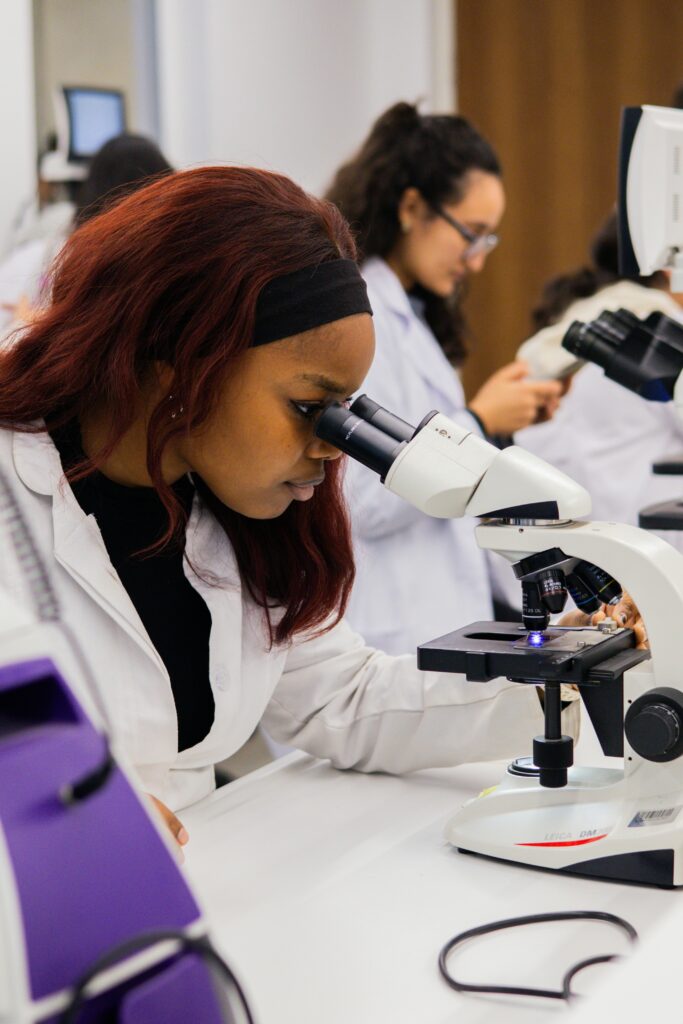
Every March, we celebrate women in science. But beyond the profiles and praise, the data tells a more complex story. Access our newsletter to read more and see what events March brings to us.